
The evolution of gambling A journey through time and its impact on society
The Ancient Origins of Gambling
The practice of gambling can be traced back to ancient civilizations, where it served both entertainment and social functions. Archaeological findings suggest that the earliest forms of gambling occurred in Mesopotamia around 3000 BC, with dice made from animal bones. These rudimentary games often revolved around chance and fortune, reflecting the human fascination with luck and risk. Interestingly, some players now explore options like uk casinos not on gamstop as alternatives to traditional gaming options.
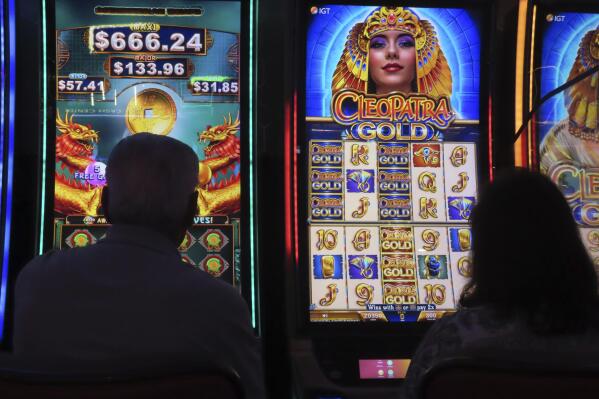
As gambling spread across cultures, it adopted various forms. In ancient China, for instance, Keno emerged as a popular lottery game, while Roman soldiers engaged in games of chance during their conquests. These early instances of gambling laid the groundwork for the diverse gambling traditions that we see today, influencing social norms and economic practices within these societies.
Gambling in the Middle Ages
The Middle Ages marked a significant evolution in gambling practices, particularly in Europe. The establishment of gaming houses became prevalent, offering structured environments for people to place bets. This period also saw the development of card games, with playing cards believed to have been introduced to Europe from Asia. These games soon became a staple in social gatherings, reinforcing community bonds through friendly competition.
However, gambling during the Middle Ages was often viewed with suspicion, leading to regulations and restrictions by the Church and local authorities. These challenges did not hinder the popularity of gambling; instead, they fostered a spirit of rebellion, as people sought ways to circumvent the rules. This tension between legality and enjoyment would continue to shape the gambling landscape in the centuries to come.
The Rise of Modern Casinos
The 18th and 19th centuries witnessed the emergence of modern casinos, particularly in Europe. The establishment of the first official casino in Venice in 1638 set a precedent that would inspire similar establishments across the continent. These grand venues offered a variety of games, from roulette to baccarat, attracting the elite and fostering a sense of luxury and excitement.
With the rise of casinos came increased regulation. Governments began to recognize the economic potential of gambling, leading to the legalization of various forms of betting. This period marked a significant shift in societal attitudes, as gambling evolved from an underground activity to a mainstream entertainment option, contributing to the economies of cities and regions.
The Digital Revolution and Online Gambling
The advent of the internet in the late 20th century brought about a seismic shift in the gambling landscape. Online casinos and betting platforms emerged, enabling players to engage in gambling from the comfort of their homes. This accessibility opened doors to a wider audience, transcending geographical boundaries and introducing new gaming options such as online poker and virtual sports.
However, the rise of online gambling also sparked debates about regulation, addiction, and ethical considerations. While many embraced the convenience and variety of online platforms, concerns regarding responsible gambling practices intensified. The digital age required a new approach to ensure player protection and promote healthy gaming habits, reflecting the ongoing evolution of societal attitudes toward gambling.

The Role of Gambling in Contemporary Society
Today, gambling plays a multifaceted role in society, often seen as a form of entertainment and a source of revenue for governments. Many communities benefit from tax revenues generated by legalized gambling, which are often funneled into public services such as education and healthcare. Furthermore, gambling has become a cultural phenomenon, with events like the Super Bowl and the World Series attracting millions of bets worldwide.
Despite its economic benefits, gambling remains a contentious issue, with ongoing discussions about addiction and the need for responsible gambling measures. As society continues to grapple with these challenges, the evolution of gambling reflects broader trends in human behavior, economics, and culture, underscoring its complex impact on modern life.
