
How to recognize signs of problem gambling in others
Understanding Problem Gambling
Problem gambling is a serious issue that affects individuals and their families, often leading to financial and emotional distress. It refers to a compulsive need to gamble, despite the negative consequences that may arise. Knowing how to recognize the signs can aid in offering support and intervention when necessary.
Those struggling with problem gambling may not always show obvious signs. Instead, the behavior can manifest in subtle ways that are often overlooked. Early identification is crucial to preventing further damage to the individual’s life and relationships.

Behavioral Indicators of Problem Gambling
One of the first signs of problem gambling is a shift in behavior. This can include spending excessive time at casinos, online gambling sites, or other betting venues. If you notice a friend or family member spending more hours than usual gambling, it could be a warning signal. It’s important to observe how this behavior affects their daily responsibilities and interactions.
Additional indicators include a tendency to lie about gambling habits or minimize the risks involved. Problem gamblers may often make excuses for their gambling habits or downplay the associated problems. If you find someone aggressively defending their gambling choices, it might be worth investigating further.
Financial Signs of Gambling Issues
Financial troubles are often one of the more tangible signs of problem gambling. Individuals may borrow money, accumulate debts, or even engage in illegal activities to fund their gambling addiction. If someone close to you frequently asks for loans or seems to be struggling financially without a clear explanation, this may signal a gambling issue.
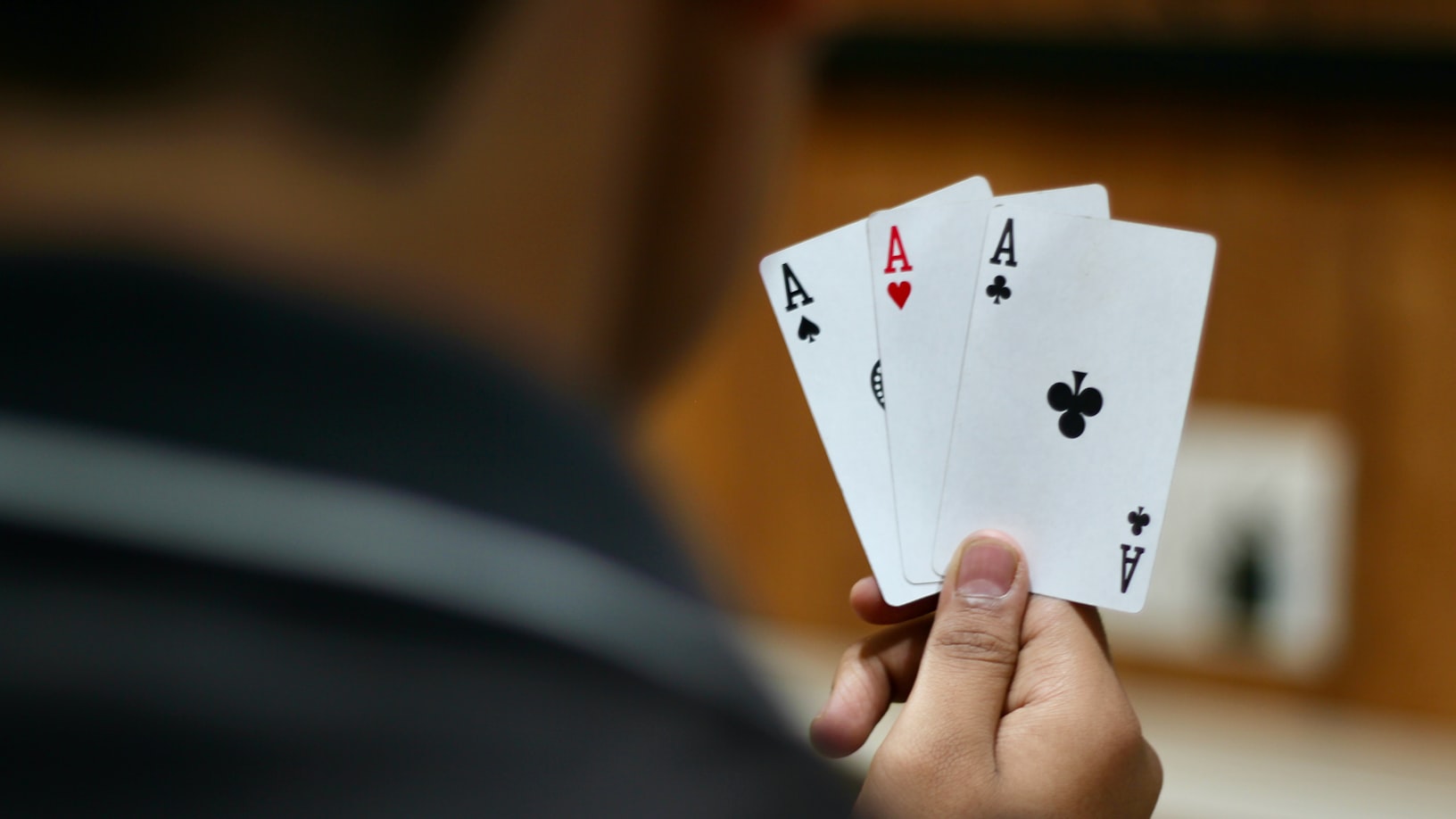
Other red flags may include selling personal items or assets to cover gambling losses. These actions represent a drastic change in priorities and can often lead to embarrassment and isolation from friends and family. Recognizing these signs is vital for addressing the problem empathetically and effectively.
Emotional and Psychological Signs
Problem gambling can take a toll on emotional health. Individuals may experience heightened anxiety, irritability, or mood swings related to their gambling habits. If someone close to you becomes increasingly withdrawn, anxious, or displays emotional turbulence, it may indicate a gambling problem.
Moreover, feelings of guilt or shame often accompany problem gambling. Those affected may try to hide their gambling lifestyle and avoid discussions about it. Creating a safe and open environment for dialogue can help them feel comfortable acknowledging their struggle.
Resources and Support for Problem Gambling
Many resources are available for individuals suffering from problem gambling and for those who want to help. Programs often offer counseling and support groups tailored specifically for gamblers and their families. If you suspect someone is struggling, encouraging them to seek professional help can be an essential first step.
A variety of online platforms offer information and tools for recognizing and addressing problem gambling. For instance, resources like neosurf casino can provide both information and referrals for assistance. It’s vital to approach the situation with empathy and understanding, fostering an environment that facilitates recovery and support for those affected.
